01
Delivered energy
Record programmed power, speed, focus and beam pattern alongside calibrated delivery checks.
- Source-to-workpiece assumptions
- Protective optics condition
- Recipe revision control
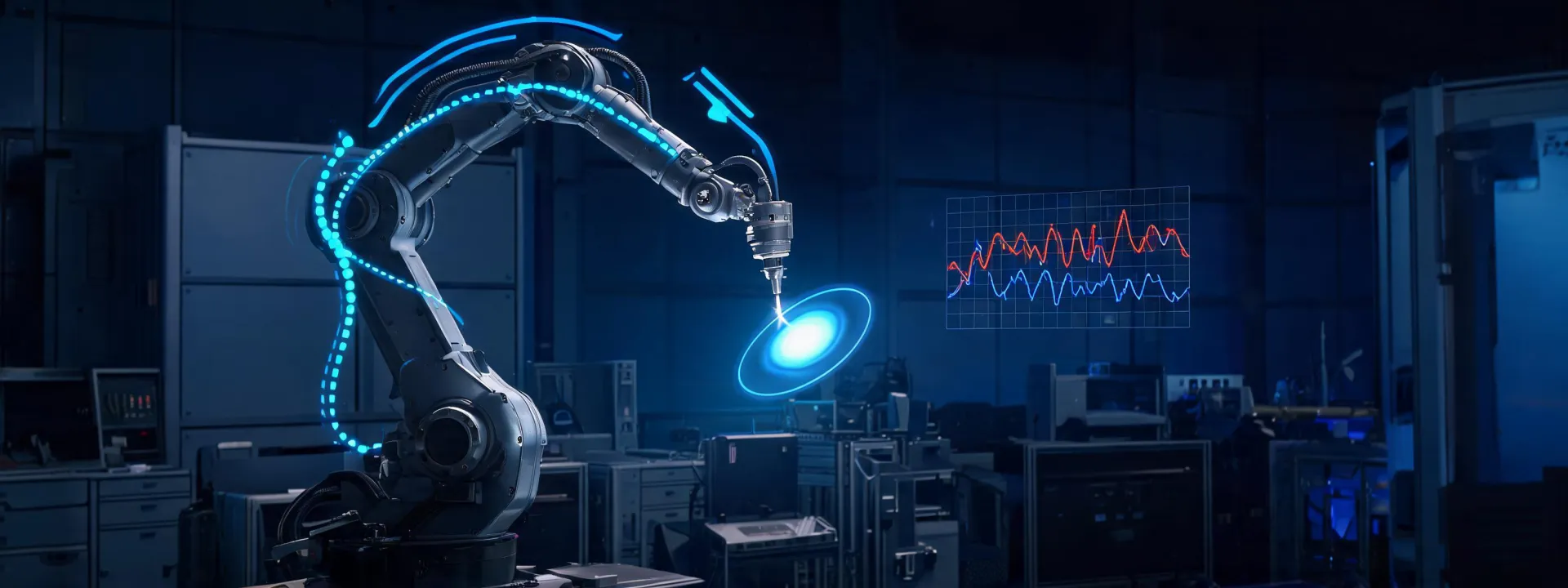
The goal is not novelty by itself. Useful innovation exposes variables, connects equipment decisions and gives production teams evidence they can act on.
These dashboard categories describe what a project should measure. Targets are assigned per part after trials; generic threshold values would be misleading across alloys, thicknesses and joint geometries.
Record programmed power, speed, focus and beam pattern alongside calibrated delivery checks.
Track material lot, coating, edge preparation, gap and part position so trial results remain interpretable.
Evaluate emission, reflection or seam-position signals against known samples before using them for decisions.
Connect visual, cross-section, leak, strength or electrical checks to the functional requirement of the joint.
Rather than presenting unverified papers, this library defines the records a project team should create and approve. Each document has an owner, inputs and a revision point.
Captures alloy, coating, geometry, fit-up range, cleanliness and sample representativeness.
Defines controlled variables, held conditions, sample quantity and inspection methods before testing starts.
Pairs recorded signals with identified sample states and documents unresolved ambiguity.
Applicable obligations vary by location, cell design and customer program. The timeline below is a coordination model, not a certification claim.
Review laser classification, guarding, interlocks, extraction, electrical integration and customer procedure rules.
Assign responsibilities across source, optics, motion, enclosure, controls and facility interfaces.
Test interlocks, fault behavior, stop functions, documentation and controlled access under realistic modes.
Define which software, material, tooling or optical changes trigger technical review or requalification.
Share the functional joint requirement and the variables you can control. The discussion will focus on what to measure and where uncertainty remains.