Application contact

Contact IPG Photonics With the Joint, Not Just a Power Number

A useful first exchange states the materials, thickness range, seam geometry, expected volume and acceptance method. If some inputs are unknown, say so; uncertainty can be built into the trial plan.

For a replacement process, include the current joining method, the defect or cost driver that triggered the review, and what must remain unchanged upstream or downstream. For a new product, identify which dimensions are provisional and when design freeze is expected. These details help distinguish a process-development task from an equipment-selection request.

01

Application intake

Use the technical form on this page for new laser welding trials, process-development questions and feasibility reviews. Representative samples should include normal variation; ideal coupons alone cannot establish a robust boundary.

Go to the application form
02

Regional routing

Requests are routed after the country, production site and application scope are known. This avoids publishing an unverified telephone or office address and connects the inquiry to the appropriate technical team.

Provide the production region
03

Review cadence

A first reply may request missing drawings, material details or inspection criteria before a trial can be scoped. Response timing depends on technical complexity and sample readiness rather than a generic service promise.

Prepare the review

What helps engineers respond precisely

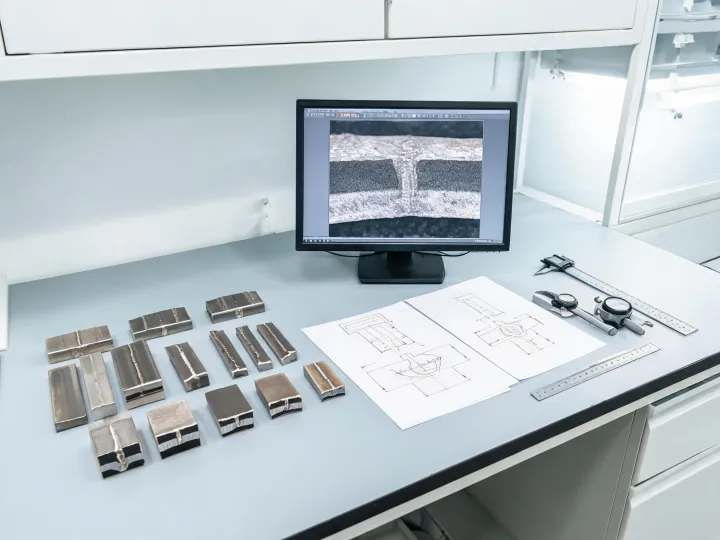
Attach or describe the joint cross-section, material grade, coating, target penetration, appearance limit and available inspection method. Include the current process and its failure mode when replacing an existing operation.

Do not send confidential drawings through this general form. Begin with a redacted section view or a written stack description, then establish an approved channel if detailed files are required. Technical feasibility remains subject to representative trials and agreed inspection.

  1. Describe the representative and worst-case part
  2. State cycle-time and automation constraints
  3. Separate required outcomes from preferred features
  4. Flag any customer or regulatory procedure rules
Laser welding sample review desk